ScarWork™ and its transformative power
🇩🇪 Diesen Artikel auf Deutsch lesen
Updated 26 April 2026: language refined for clarity and references adjusted for accuracy.
Scars are a normal part of healing. Even when a scar looks settled on the surface, the tissue underneath can sometimes feel different - tighter, less sensitive, overly sensitive, or simply “not quite connected”. For some people, scars are also linked to a specific life chapter: a surgery, an accident, an illness, or a birth.
ScarWork™ (developed by Sharon Wheeler) is a gentle, structured method of hands-on work that explores how scar tissue relates to the surrounding layers - especially the connective tissue network often described as fascia [1, 2]. The focus is not on forcing change, but on working with the tissue in a precise, well-paced way.
What is ScarWork™ (plain language)
ScarWork™ is a method that uses light, specific manual contact with scar tissue and its immediate surroundings. Depending on the scar and the person, the intention may be to support:
a more comfortable tissue feeling in the scar area
better glide between layers
more movement options when a scar feels like it is limiting range or coordination
Responses vary. Some people notice changes in sensation or ease of movement relatively quickly; others experience more gradual shifts over a small series of sessions.
Core principles
1) Gentle and precise
ScarWork™ is typically light rather than forceful. Direction, timing, and dosage matter more than intensity.
2) Individual and context-aware
Every scar has a context: location, depth, age, healing history, sensitivity, and the person’s overall stress and recovery load. The approach adapts to that reality.
3) Consent and clear communication
Scars can be sensitive - physically, and sometimes emotionally. That is why pacing, choice, and clear check-ins are part of the method. You remain in control of what feels appropriate.
The physical and emotional side (carefully framed)
It can happen that people feel emotional when a scar area is contacted - for example because a part of the body has felt guarded, numb, or “not really mine” for a long time, or because the scar is linked to a difficult experience. ScarWork™ is not psychotherapy. At the same time, respectful, well-held bodywork can feel regulating for some people, especially when boundaries and choice are clear.
FAQ
1) Is ScarWork™ suitable for all scars?
ScarWork™ can be explored with many types of scars (surgical scars, injury scars, burn scars). Whether it is appropriate depends on healing stage, skin condition, sensitivity, and medical context. If you are unsure, check with your medical team and discuss it before starting.
2) How many sessions do people usually need?
It depends. Often it makes sense to start with a short block of sessions, observe how the tissue responds, and then decide together what is useful.
3) Is ScarWork™ painful?
The method is designed to be gentle. Sensation can vary - especially in numb or hypersensitive areas - but the work should remain tolerable and adjustable at all times.
4) Can it be combined with other approaches?
Often yes. Many people combine scar-focused work with movement training, physiotherapy, strength training, or other hands-on approaches. Timing and communication matter.
5) Any contraindications or situations that need extra care?
Yes. Examples include unhealed wounds, infection, unexplained swelling, acute inflammation, certain skin conditions, or medical red flags. A thorough intake is essential.
Conclusion
ScarWork™ is a gentle, structured approach to working with scars. It does not promise a specific outcome, but it can be a meaningful way to explore comfort, sensation, and movement options around scar tissue - within a clear, respectful framework.
ScarWork™ refers to the specific methodology developed by Sharon Wheeler. All trademarks mentioned remain the property of their respective owners.
more form body & beyond
WHY SCARS CAN STILL HURT OR FEEL “STRANGE” YEARS LATER – AND WHAT YOU CAN DO
SCARWORK™ EXPLAINED: GENTLE SCAR THERAPY FOR SURGERY, C‑SECTION AND ACCIDENT SCARS
SCARWORK™ FOR ATHLETES: SUPPORT AFTER SURGERY AND SPORTS INJURIES
THE SCIENCE OF TOUCH: WHAT RESEARCH SAYS ABOUT HANDS-ON WORK AND THE NERVOUS SYSTEM
References (selected)
1 Wheeler, S. (2022). ScarWork: A Comprehensive Approach to Scar Tissue Treatment. Handspring Publishing.
2 Bordoni, B., & Zanier, E. (2020). Clinical and symptomatological reflections: the fascial system and scar tissue. Journal of Multidisciplinary Healthcare, 13, 957-964.
3 Langevin, H. M., & Huijing, P. A. (2009). Communicating About Fascia: History, Pitfalls, and Recommendations. International Journal of Therapeutic Massage & Bodywork, 2(4), 3-8. PMCID: PMC3091473
ABOUT THE AUTHOR
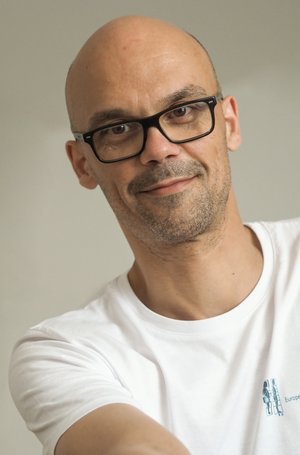
Tobias Elliott-Walter is a certified Rolfer® Structural Integration practitioner, certified ScarWork™ practitioner, and Sivananda yoga teacher based in Saarbrücken, Germany. Through Body & Beyond, he provides bilingual bodywork and health education in English and German, with a focus on fascia, movement, stress, recovery, and holistic health.
With nearly 30 years of experience working with people — across leadership development, mentoring, and international training environments in Europe, Asia, the Middle East, and North America — Tobias brings a practical, culturally sensitive perspective to bodywork. Education is central to his approach: helping people understand what their body is doing, and why, is part of the work itself.
Professional qualifications and standards
Rolfing® is a registered service mark of the Dr. Ida Rolf Institute of Structural Integration.
Sharon Wheeler’s ScarWork™ refers to the specific methodology developed by Sharon Wheeler.
All trademarks mentioned remain the property of their respective owners.
Medical and scientific statements are based on current research, professional training, and practical experience. The services and educational content offered through Body & Beyond are intended to support general wellbeing, body awareness, and health education. They are not a substitute for medical diagnosis, treatment, or psychotherapy.
Important note
This article is for information purposes only and does not replace medical advice. The information shared here is based on current scientific research and practical experience. If you have any health complaints, please consult your doctor or therapist.
© 2025 Tobias Elliott-Walter. All rights reserved.
#ScarWork#FasciaTherapy#FasciaTherapy#Regeneration#SportPerformance#InternationalPatients#EnglishSpeakingTherapy#FasciaResearch#FasciaResearch#BilingualHealthcare#HealthSaarland#TherapySaarbrücken#SaarbrückenHealth