ScarWork™ Explained: Gentle Scar Therapy for Surgery, C‑Section and Accident Scars
🇩🇪 Diesen Artikel auf Deutsch lesen
If you’ve had surgery, a C-section, or an accident, you might notice:
tightness or pulling around the scar
numbness, tingling, or other unusual sensations
discomfort when you stretch, twist, or lie on that area
a feeling that your body “isn’t quite the same” since then
Even if a scar looks fine on the outside, something can still feel off on the inside.
ScarWork™ is a gentle, fascia-based approach that works with scars and the surrounding tissue — not to erase them, but to help them feel softer, freer, and more integrated.
In this article, I’ll explain in simple terms:
what ScarWork™ is (and isn’t)
how scars can affect your whole body, not just the skin
what a session looks like
who it may be helpful for
1. What is ScarWork™?
ScarWork™ is a specialised form of manual work developed by Sharon Wheeler. It focuses on:
scars from surgery (e.g. C-section, appendectomy, abdominal surgery, joint replacements)
scars from accidents or injuries (e.g. cuts, falls, sports injuries, burns — where appropriate)
the tissue around and beneath the scar, not just the visible line
Key points:
The touch is very gentle — often much lighter than people expect.
The work is done on and around the scar, and sometimes along related fascial lines.
The goal is to support softness, glide, and integration — not cosmetic perfection.
ScarWork™ can be used with older as well as newer scars, as long as they are fully healed and medically cleared.
2. How scars can affect more than just the surface
A scar isn’t just a line on the skin. It’s a sign that:
deeper layers of tissue were cut, injured, or changed
your body built repair tissue to close and stabilise the area
That repair tissue is important — it holds things together. But it can also:
bind layers that ideally glide over each other (skin, fascia, muscle)
change how force and movement travel through your body
alter sensation (numbness, hypersensitivity, “dead” areas)
You might notice:
pulling or restriction when you stretch or twist
a feeling of “tightness from the inside”
discomfort with certain clothes or waistbands
changes in posture or movement since the surgery or accident
From a fascia perspective, a scar is part of a larger network. Working with it can influence how the whole area — and sometimes your overall movement — feels and functions.
3. What ScarWork™ is not
To be clear, ScarWork™ is not:
a replacement for medical treatment, wound care, or physiotherapy
a guarantee that a scar will look a certain way
aggressive “breaking up” of tissue, or deep, painful work
It also does not:
reopen wounds
replace surgical follow-up
promise specific medical outcomes
Instead, ScarWork™ is a complementary approach that can sit alongside other care — once your doctor or surgeon has cleared you for manual work on the area.
4. What a ScarWork™ session looks like
Every practitioner has their own style, but a typical session might include:
Conversation and history
What kind of surgery or injury did you have?
How long ago was it?
What do you notice now — tightness, numbness, discomfort, pulling, or emotional reactions?
Looking at posture and movement
how you stand and walk
whether the scar seems to influence how you move or hold yourself
Gentle hands-on work
light, precise touch on and around the scar
working with the tissue in different directions to invite more softness and glide
sometimes following related fascial lines connected to the area (e.g. abdomen to ribs, knee to hip)
Integration
re-checking movement or posture
noticing changes in sensation, comfort, or ease
The work is usually done with you lying down or half-reclined, in a way that feels safe, warm, and well supported.
5. What people often notice after ScarWork™
Experiences vary, but many people report:
the scar area feels softer and less “stuck”
less pulling or restriction when they move or stretch
changes in sensation (e.g. less numbness, a more “alive” feeling)
easier posture or breathing — especially with abdominal or chest scars
a sense that the scar feels more “part of the body”, rather than something separate
Sometimes the changes are subtle at first. Sometimes they’re more noticeable after a few sessions. Often, several sessions are helpful — especially for larger or older scars.
6. Who can benefit from ScarWork™?
ScarWork™ may be helpful if you have:
Surgical scars, such as:
C-section
appendectomy
abdominal or pelvic surgery
joint replacements (knee, hip, shoulder)
spinal surgery
Accident scars, such as:
cuts, lacerations, falls
some burn scars (with medical clearance)
Scars that feel:
tight, pulling, or movement-restricting
numb, hypersensitive, or “strange” in sensation
emotionally charged, or connected to a difficult time
Important: the scar must be fully healed and closed (no open areas, no infection).
If you’re unsure, it’s always best to check with your doctor or surgeon first.
7. How ScarWork™ combines with Rolfing®
Because scars are part of the fascial network, it can often make sense to combine ScarWork™ with Rolfing® Structural Integration:
ScarWork™ focuses on the scar itself and its immediate surroundings.
Rolfing® Structural Integration® looks at your whole structure in gravity — and how the scar may fit into your overall posture and movement.
Together, they can help to:
reduce compensatory patterns (like limping, twisting, or guarding)
improve ease in standing, walking, and everyday movement
support your nervous system in feeling safer and more integrated
This can be especially relevant after major surgeries (e.g. abdominal, spinal, or joint replacement surgery) — or when you feel that “nothing has been the same since”.
8. When is the right time to start?
The best timing depends on:
the type of surgery or injury
how your healing is progressing
your doctor’s or surgeon’s recommendations
General guidelines:
The wound should be fully closed and medically healed.
There should be no signs of infection.
If you’re unsure, always get medical clearance first.
ScarWork™ can be helpful:
in the months after surgery, once basic healing and rehab have started
even years later, if the scar still feels tight, numb, or limiting
It’s rarely “too late” to offer your body new options.
9. You don’t have to just “live with it”
Many people are told:
“The scar looks fine. You just have to live with how it feels.”
From a fascia and bodywork perspective, that’s only part of the story.
While we can’t erase a scar, we can often support changes in how it feels and moves — and help it become more integrated with the rest of your body.
If you have a scar that still bothers you — physically or emotionally — you’re welcome to:
ask questions about your specific situation
explore whether ScarWork™, Rolfing® Structural Integration®, or a combination might be supportive
take small, gentle steps towards feeling more at home in your body again
You only have one body. You can’t replace it — but you can give your scars a chance to become a softer, more integrated part of your story, rather than a constant source of tension or discomfort.
Further reading
If you’d like to know more about scar tissue and healing, these resources can be a starting point:
Kwan P et al. (2016). Scar biology and scar therapies. Facial Plast Surg 32(5): 500–506.
Atiyeh BS et al. (2007). Scar quality and physiologic methods of scar management. Aesthetic Plast Surg 31(5): 430–448.
These references provide general background information and do not replace individual medical assessment or treatment.
Professional qualifications and standards
Rolfing® is a registered service mark of the Dr. Ida Rolf Institute of Structural Integration.
Sharon Wheeler’s ScarWork™ refers to the specific methodology developed by Sharon Wheeler.
All trademarks mentioned remain the property of their respective owners.
Medical and scientific statements are based on current research, professional training, and practical experience. The services and educational content offered through Body & Beyond are intended to support general wellbeing, body awareness, and health education. They are not a substitute for medical diagnosis, treatment, or psychotherapy.
ABOUT THE AUTHOR
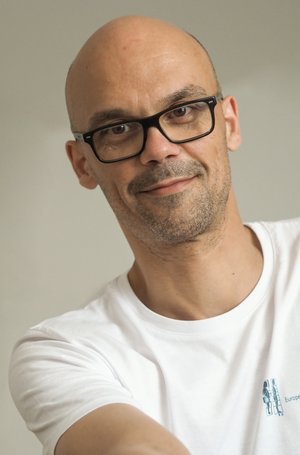
Tobias Elliott-Walter is a certified Rolfer® Structural Integration practitioner, certified ScarWork™ practitioner, and Sivananda yoga teacher based in Saarbrücken, Germany. Through Body & Beyond, he provides bilingual bodywork and health education in English and German, with a focus on fascia, movement, stress, recovery, and holistic health.
With nearly 30 years of experience working with people — across leadership development, mentoring, and international training environments in Europe, Asia, the Middle East, and North America — Tobias brings a practical, culturally sensitive perspective to bodywork. Education is central to his approach: helping people understand what their body is doing, and why, is part of the work itself.
Important note
This article is for information purposes only and does not replace medical advice. The information shared here is based on current scientific research and practical experience. If you have any health complaints, please consult your doctor or therapist.
© 2026 Tobias Elliott-Walter. All rights reserved.