🇩🇪 Diesen Artikel auf Deutsch lesen
If you’re in a leadership role, you’re probably used to carrying a lot:
responsibility for people and results
constant decisions and problem-solving
long days, many meetings, little real downtime
Even if you enjoy what you do, your body often tells a different story:
a tight neck, jaw, and shoulders
a tired lower back or hips
headaches, shallow breathing, poor sleep
a sense of being “always on”, even at home
Rolfing® Structural Integration isn’t about making you “perfectly upright”. It’s about helping your body carry less of the invisible load, so you have more clarity and capacity for the things that matter.
In this article, we’ll look at:
how leadership stress shows up physically
what Rolfing® Structural Integration actually does (in simple terms)
why it can be especially useful for people in high-responsibility roles
what you can realistically expect from sessions
1. Leadership is a full-body job
On paper, your work is “mental”: strategy, decisions, communication.
In reality, your body is involved in almost everything you do:
long hours in meetings or at a screen
travel, time zones, irregular meals
difficult conversations, conflict, high stakes
being “on stage”: presentations, negotiations, staff talks
Your nervous system hears:
“Stay alert. Don’t switch off. Be ready.”
Over time, that can show up as:
shoulders that never really drop
a jaw that clenches when you concentrate (or hold back reactions)
a chest that feels tight, with breathing that stays high and shallow
a lower back that complains after long days or travel
You might be very good at managing stress mentally—but your body still keeps the score.
2. How Rolfing® looks at your body differently
Rolfing® doesn’t start with:
“Where does it hurt today?”
It starts with, looking at how your body is organised and where it is holding tension.
Instead of only relaxing tight muscles, Rolfing® works with:
fascia — the connective tissue that links muscles, bones, and organs
your overall structure — feet, legs, pelvis, spine, shoulders, head
your movement patterns — how you stand, walk, sit, and breathe
The aim is to:
improve how your body is supported from the ground up
reduce chronic tension that comes from how you organise yourself, not only from “too much work”
help you move and sit with less effort, so you don’t burn energy just to get through the day
You can think of it like this:
Massage: “Let’s relax what’s tight.”
Rolfing® Structural Integration: “Let’s change the conditions that keep making it tight.”
3. Typical patterns I see in people in leadership roles
Everyone is different, but there are a few recurring themes:
Head forward, shoulders up
many hours at screens and in meetings
subtle “bracing” in neck and jaw
Collapsed chest, overworked lower back
sitting a lot, then “forcing” yourself upright
the lower back doing the job that pelvis and ribcage could share
Feet and legs on autopilot
little awareness of support from below
the upper body doing most of the holding and stabilising
Breathing stuck in the upper chest
always ready to respond, but rarely fully exhaling
the nervous system not getting many “it’s safe to rest” signals
Rolfing® doesn’t blame you for this. It assumes:
“Your body has done its best to adapt to your life so far. Now we give it better options.”
4. What a Rolfing® session is like (without jargon)
A typical session might include:
Conversation
What is your work like—travel, hours, responsibilities?
Where do you notice tension or pain?
What do you want more of: less pain, better posture, more energy, better sleep?
Standing and walking assessment
how your feet meet the ground
how legs, pelvis, spine, and head relate to each other
where you seem to hold more than you need to
Hands-on work
gentle, precise work with fascia (usually without oil)
focus on key areas like feet, legs, pelvis, ribcage, neck, and jaw—always within your tolerance
sometimes small movements while I work (e.g., lifting an arm, turning your head, sensing your feet)
Integration
standing or walking again
noticing changes (e.g., more space to breathe, different weight distribution, less effort to stand)
You stay in underwear, sportswear, or swimwear—whatever feels appropriate—and you’re usually covered with a blanket when lying down. The work is professional, structured, and adapted to your nervous system (not a “no pain, no gain” approach).
5. What Rolfing® can realistically offer leaders
Rolfing® isn’t a magic fix for bad schedules or unhealthy corporate cultures.
But it can support you in:
using less unnecessary effort just to sit, stand, and move
reducing chronic tension patterns (often in neck, shoulders, jaw, and lower back)
breathing more freely, which can support focus and recovery
feeling more “in your body”, not only in your head
People in leadership roles sometimes describe over time:
fewer headaches or tension spikes
easier recovery after long days or travel
a clearer sense of their own limits (“My body tells me earlier when it’s too much.”)
more presence in conversations—less distracted by discomfort
It’s not about becoming soft or less driven. It’s about not paying for your responsibilities with your body more than necessary.
6. Why people in leadership often benefit from a series, not just one session
You didn’t build your current patterns in a week. They usually develop over years of:
work habits
stress responses
injuries, surgeries, and old compensations
A single session can already offer:
a sense of what’s possible
some relief and more awareness
But a series of sessions (for example the classic Rolfing® 10‑Series, or a tailored shorter plan) allows us to:
work systematically from feet to head
address both structure and nervous system
build changes your body can actually keep
Think of it as:
“Upgrading the way your body carries you through demanding days—not just pressing pause for an hour.”
7. How to know if Rolfing® might be right for you
Rolfing® may be worth exploring if you recognise yourself in some of these:
You’re in a leadership or high-responsibility role and you:
have recurring neck, shoulder, jaw, or back issues
feel “tense by default”, even when things are going well
notice massage helps, but the same patterns come back quickly
You’re curious about:
standing and moving with less effort
supporting long-term health while staying in a demanding role
having one place in your life where you don’t have to hold everything together
If you’re unsure, you can:
start with one or two sessions focused on your main complaints
use them as a “test” to see how your body responds
decide together whether a more structured series makes sense
8. Carrying responsibility without carrying everything in your body
Leadership will probably always involve pressure and complexity.
Rolfing® Structural Integration won’t change your job description—but it can support change in:
how much of that load your body has to absorb
how supported you feel from the ground up
how much energy you have left for life outside work
You only have one body. You can’t replace it—but you can support it in carrying responsibility with less tension and more stability, so you’re less likely to pay for success with chronic pain and exhaustion.
Further reading
If you’d like to read more about stress, load and the body, these resources can be a starting point:
McEwen BS (2007). Physiology and neurobiology of stress and adaptation: central role of the brain. Physiol Rev 87(3): 873–904.
Moseley GL & Butler DS (2017). Explain Pain Supercharged. Noigroup.
Sapolsky RM (2004). Why Zebras Don’t Get Ulcers. Holt.
These references provide general background information and do not replace individual medical assessment or treatment.
About the author
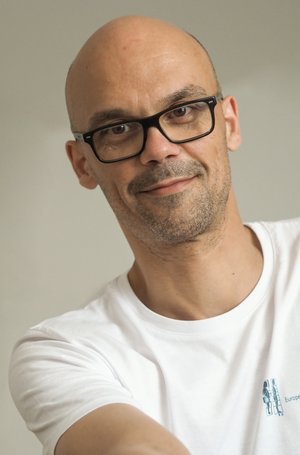
Tobias Elliott-Walter is a certified Rolfer® Structural Integration practitioner, certified ScarWork™ practitioner, and Sivananda yoga teacher based in Saarbrücken, Germany. Through Body & Beyond, he provides bilingual bodywork and health education in English and German, with a focus on fascia, movement, stress, recovery, and holistic health.
With nearly 30 years of experience working with people — across leadership development, mentoring, and international training environments in Europe, Asia, the Middle East, and North America — Tobias brings a practical, culturally sensitive perspective to bodywork. Education is central to his approach: helping people understand what their body is doing, and why, is part of the work itself.
Professional qualifications and standards
Rolfing® is a registered service mark of the Dr. Ida Rolf Institute of Structural Integration.
Sharon Wheeler’s ScarWork™ refers to the specific methodology developed by Sharon Wheeler.
All trademarks mentioned remain the property of their respective owners.
Medical and scientific statements are based on current research, professional training, and practical experience. The services and educational content offered through Body & Beyond are intended to support general wellbeing, body awareness, and health education. They are not a substitute for medical diagnosis, treatment, or psychotherapy.
Important note
This article is for informational purposes only and does not replace medical advice. If you have health concerns, acute symptoms, or ongoing complaints, please consult a qualified medical professional.
© 2026 Tobias Elliott-Walter. All rights reserved.