
Breath as a Bridge
Breathing is more than oxygen. Explore how breath links posture, movement and nervous system balance, plus simple, non-extreme practices and a Body & Beyond take on Rolfing®.

Fascia, Hydration & Fluid Balance: What Helps You and Your Connective Tissue
"Drink more water" is common advice - but fascia and connective tissue need more than a full glass. A calm, practical look at hydration, electrolytes, movement, and heat.

Touch, Sense, Adapt: What Piezo Channels Help Us Understand
Piezo ion channels help explain how pressure and stretch become signals in the body. A grounded, client-friendly look at mechanotransduction - and what this may (and may not) mean for hands-on work.

The Science of Touch: What Research Says About Hands-on Work and the Nervous System
Touch is information. Learn what research suggests about hands-on work, stress regulation and the nervous system — plus practical tips and a Body & Beyond take on Rolfing®.

Moving Countries, Moving Bodies
Big life changes don’t just happen in your head. This article explores how moving, travel, and transition show up in the body—and how Rolfing® Structural Integration and ScarWork™ can support you when life is in motion.

Working With the Body, Not Against It
Many people try to force change through pressure, correction, or control. This article explores a more sustainable approach: working with the body as a living, adaptive system rather than treating it as a problem to fix.
Learning to Notice Without Overanalysing
Body awareness can be useful, but it can also become exhausting when it turns into constant checking and overthinking. This article explores a more practical, grounded approach to body literacy.
Small Inputs, Big Effects
Many people search for a big breakthrough, but the body often responds better to smaller, repeatable inputs. This article explores why tiny changes in movement, recovery, stress regulation, and body awareness may matter more than dramatic fixes.
Safety, Consent, and Pacing: Why They Matter in Hands-On Work
In hands-on work, safety, consent, and pacing are not extras. They help shape how clear, manageable, and supportive a session feels, and whether a person can stay engaged without feeling rushed, passive, or overwhelmed.
What Helps People Feel Safer in Their Bodies?
Feeling safer in your body is not only about symptoms. Support, choice, and predictability in daily life can influence how settled, supported, or defended your system feels. Often, what helps most is not dramatic change, but everyday conditions that give the body more room to regulate.
What the Body Carries When Words Are Missing
Not every burden begins in words. Sometimes stress, grief, pressure, or loneliness show up first in the body - in shallow breathing, tension, fatigue, or the feeling of never quite switching off. This article explores how emotional adaptation may shape physical experience, and why awareness can sometimes begin where words are missing.
Why Do So Many Men Fear Closeness?
Many men do not lack the need for closeness. More often, they have learned to fear the vulnerability, shame, or ridicule that can come with showing it. This article explores why tenderness, emotional honesty, and male friendship can feel so difficult - and why safer forms of connection matter.
Men, Loneliness, and the Cost of Emotional Distance
Many men live with a quiet kind of loneliness. They may be surrounded by people and still feel emotionally alone. On the surface, they may seem to be coping well - working, joking, showing up, staying busy - while underneath something essential feels missing. This article explores male loneliness, emotional restraint, and the hidden cost of always having to function.

Your Body as a Long‑Term Project: Why Maintenance Sessions Make Sense
We happily book regular services for our car – but often only look after our body when something already hurts. This article explores why it helps to see your body as a long‑term project, what maintenance sessions can look like and how to find a rhythm that fits your real life.

Desk Job Survival Guide: Fascia-Friendly Office Habits
Sitting all day doesn’t have to mean feeling stiff. Learn fascia-friendly desk habits, simple stretches, breathing and self-massage you can spread across the day, plus a Body & Beyond take on Rolfing®.
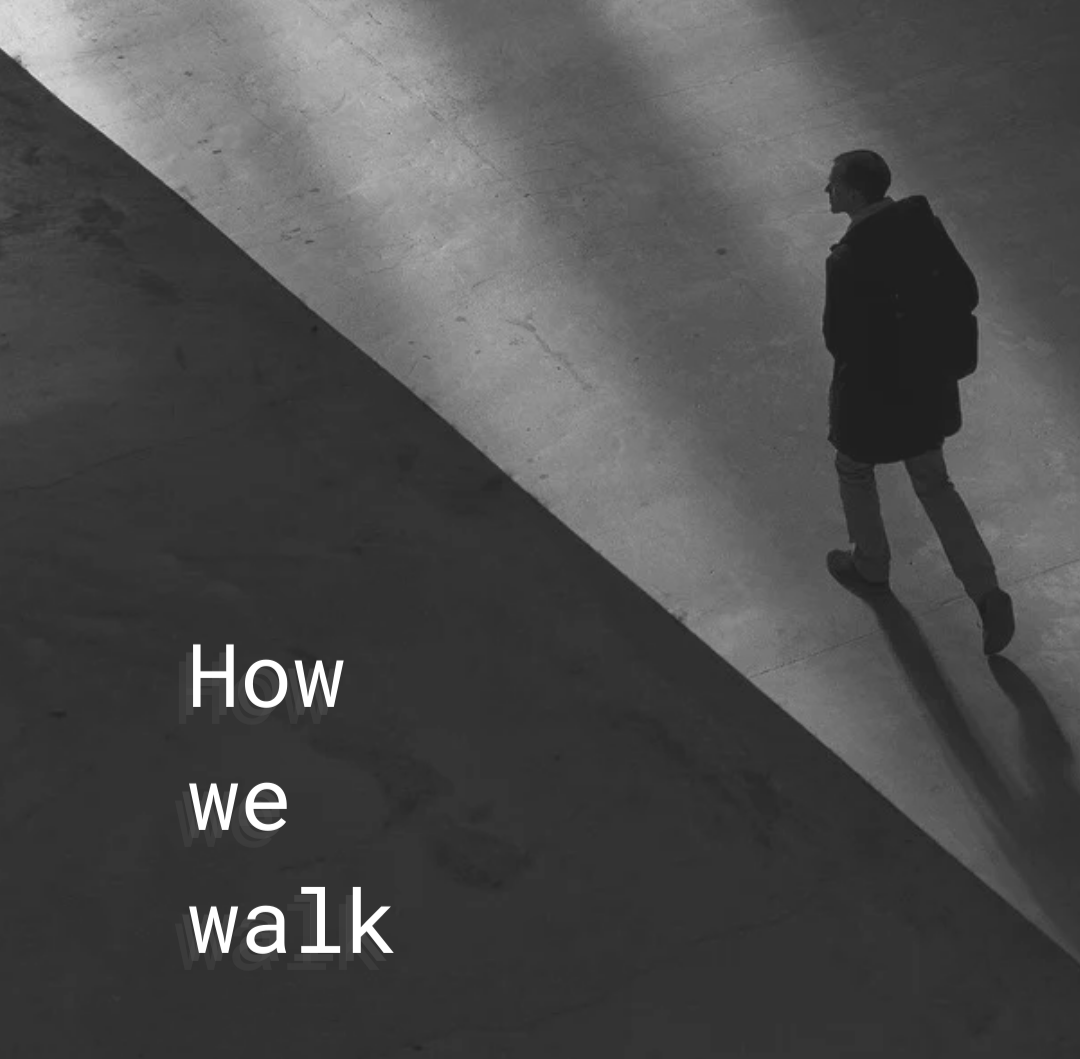
How Your Body Moves When You Walk: A Simple Explanation
Walking feels automatic, yet it’s a finely tuned interaction of fascia, joints and muscles. This article explains in simple terms how your body absorbs, transfers and balances forces with each step – without anatomy jargon or complexity.
Why Sleep Breaks (and How to Fix It)
Tired but wired? Waking at 3am? Here’s what sleep hygiene actually means, why sleep gets disrupted, and simple habits that can support better rest.
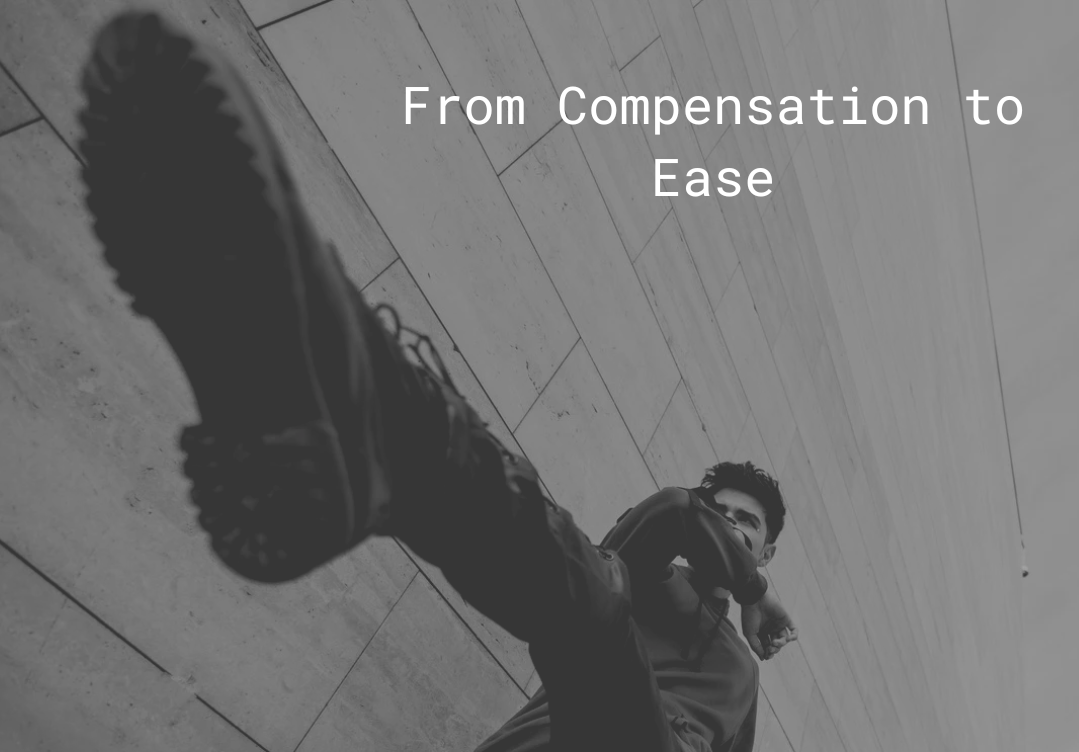
Tension, Fascia, and the Nervous System: Why Stress Shows Up in Your Body
Why does stress so often show up as neck tension, headaches or a restless body? This article explains how fascia and the nervous system work together – and which small, realistic steps can help your system settle a little more in daily life.
Sauna: More Than Just Heat – A Science-Based Guide
Sauna is more than just heat. This guide explains what happens in your body, what research suggests, and how to start safely — plus cultural sauna norms and key cautions.
How to Choose the Right Bodyworker: 7 Questions to Ask Before You Book
Unsure which kind of bodywork or practitioner is right for you? These 7 questions help you clarify your goals, check expectations and choose someone you feel safe and well supported with – instead of guessing in the dark.